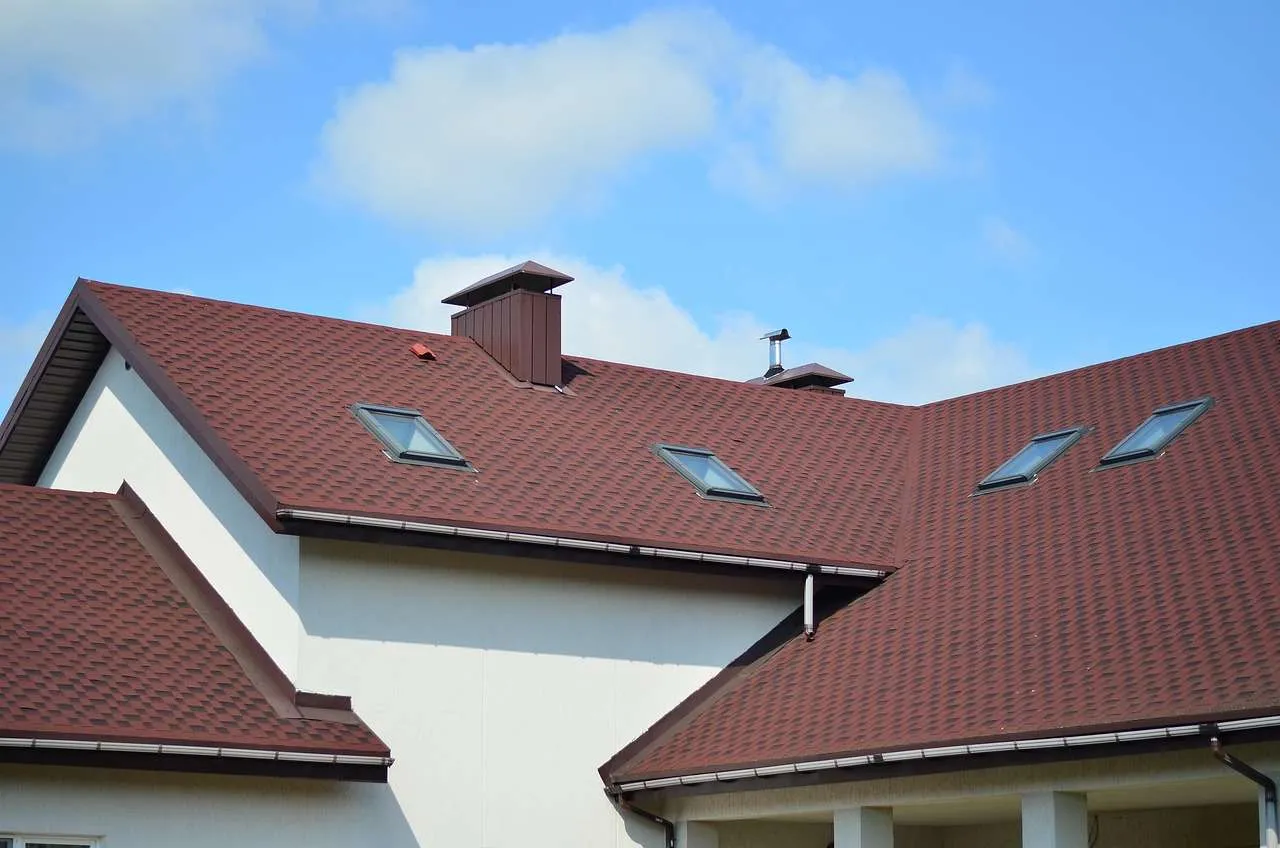
When a roof shows wear or leaks, timely repair of roofing is essential to protect your home. This guide explains proven methods, safety considerations, and when to call a professional.
What is the repair of roofing?
Repair of roofing refers to targeted work that restores performance without replacing the entire roof. It includes repairing damaged shingles or tiles, sealing leaks, replacing flashing, and addressing structural components that compromise weatherproofing.
Common causes of roof damage
- Weathering from sun, wind, and rain
- Hail impact and storm damage
- Aging and wear of materials
- Improper installation or previous substandard repairs
- Blocked gutters leading to water backflow
Signs you may need repair
- Missing or curling shingles
- Shingle granule loss in gutters
- Visible cracks or gaps in flashing
- Water stains on ceilings or walls
- Sagging roof sections or unusual bounce
Repair methods and steps
Shingle replacement
Identify the damaged shingle, gently lift surrounding shingles, remove nails, and slide out the damaged piece. Install a new shingle, align with neighbors, seal with roofing cement, and re-nail securely. If several shingles are damaged, consider replacing a larger area for uniformity.
Flashing repair
Flashing around chimneys, vents, and skylights prevents leaks. Pry up the old flashing, clean the joint, apply roofing cement, and install new, properly sealed flashing. Pay attention to proper sealing at all edges and corners.
Leak sealing and temporary measures
For active leaks, place a tarp or waterproof membrane to protect interior spaces while scheduling a permanent repair. Use roofing cement to seal small gaps and avoid over-tensioning materials that may crack.
Vent, chimney, and pipe penetrations
Ensure all penetrations are sealed with appropriate sealants and flashing. Inspect boots and collars for cracking and replace as needed to maintain a tight seal.
DIY vs professional repair
Small, simple repairs on a dry, calm day may be feasible for confident homeowners with basic safety equipment. However, many repairs require fall protection, proper ladder procedures, and knowledge of roofing materials. Incorrect work can lead to bigger leaks, structural damage, and warranty issues. For asphalt shingles, metal roofs, or clay tiles, a professional evaluation can prevent costly missteps and preserve roof warranties.
Tools, materials, and safety
- Tools: hammer, pry bar, chalk line, utility knife, roofing nails, sealant, caulk gun, utility knife
- Materials: replacement shingles/tiles, roofing cement, flashing, underlayment, tarp
- Safety: harness, non-slip shoes, stable ladder, eye protection, plan for wind-free days
Costs, timing, and planning
Costs for roof repairs vary by material, location, and extent. Minor shingle replacements may be completed in a few hours, while extensive flashing or deck repairs can require a full day or more. Always obtain a written estimate and verify permits if required by your area.
Maintenance tips to extend roof life
- Schedule annual inspections after severe weather
- Clear gutters and downspouts to prevent standing water
- Remove debris and ensure proper ventilation in the attic
- Address leaks promptly to minimize interior damage
Repair cost comparison
| Repair Type | Typical Cost Range | Time to Complete | Notes |
|---|---|---|---|
| Shingle replacement | $150–$600 | 2–6 hours | Depends on area and extent |
| Flashing repair | $200–$1,000 | 1–2 days | Chimney/vents critical leaks |
| Leak sealing (local) | $300–$2,500 | 1–2 days | Deck repair may be needed |
| Vent/pipe flashing replacement | $250–$1,200 | 0.5–1 day | Sealants and boots included |
| Full roof deck repair (extensive) | $2,000–$8,000 | 1–3 days | Consider warranty and replacement |
Conclusion
Repair of roofing requires a measured approach that balances safety, cost, and long-term durability. By recognizing signs early, choosing appropriate methods, and knowing when to hire a professional, homeowners can protect their homes and maximize roof lifespan while maintaining compliance with warranty terms.
Summary: This guide covered common causes of roof damage, signs indicating repairs are needed, practical repair methods (shingle replacement, flashing repair, and leak sealing), DIY versus professional options, safety and materials, cost considerations, and maintenance tips to extend roof life. Following these best practices helps ensure a durable, weather-resistant roof and preserves home value.