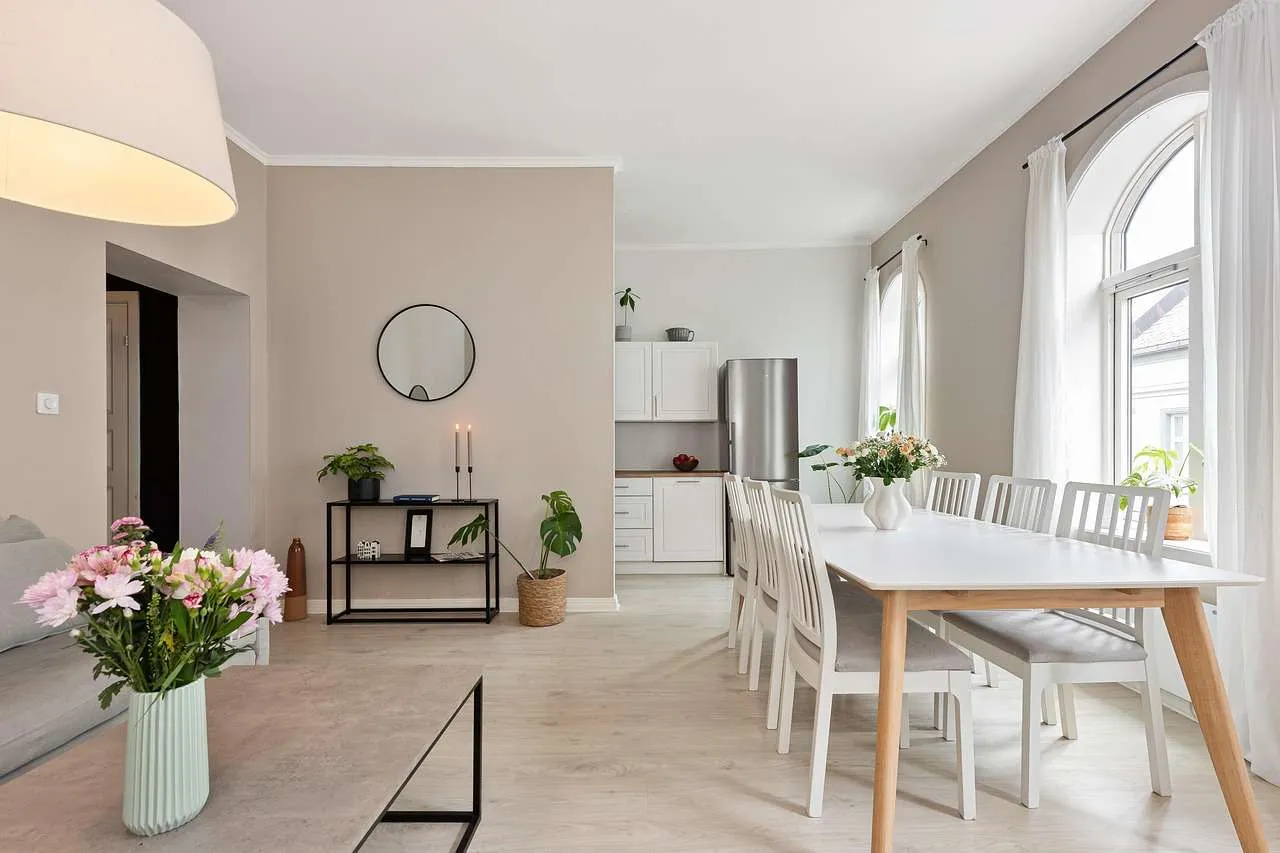
As homeowners seek greater comfort, privacy, and protection for interior furnishings, home window tinting stands out as a practical upgrade. When chosen by design and installed by qualified professionals, tint films can reduce heat gain, block ultraviolet rays, and maintain daylight while preserving views. This guide explains what home window tinting is, why it matters, the main tint types, how to pick the right option, typical costs, and maintenance advice to meet EEAT expectations.
What is home window tinting?
Home window tinting involves applying a thin film to the interior surface of glass windows. The film filters light, reduces solar heat gain, and often enhances privacy. Films come in several chemistries and constructions, including dyed, metalized, carbon, and ceramic options. Performance varies by material, and the best choice balances glare control, heat rejection, light transmission, and durability for each window type and climate.
Benefits of home window tinting
- UV protection: Most films block up to 99% of ultraviolet light, protecting furnishings and reducing skin exposure.
- Heat reduction: Tinted windows can lower cooling loads by reflecting or absorbing solar energy, improving year‑round comfort.
- Glare control: Tinting reduces glare on screens and in bright rooms, enhancing readability and comfort.
- Privacy: The right tint limits visibility from outside while preserving daylight and view from inside.
- Safety and security: Some films hold glass together if broken, adding a layer of protection for occupants and valuables.
Types of window tinting for homes
Dyed window film
Dyed films are affordable and provide noticeable heat and glare reduction. They are best for homeowners on a budget but may fade or wear unevenly over time. They offer good privacy but moderate durability.
Metalized window film
Metalized films reflect heat using metallic layers that improve solar control. They can interfere with some electronic devices and may show a metallic sheen. They typically offer strong heat rejection and durability.
Carbon window film
Carbon films are popular for high‑quality aesthetics and effective heat rejection without a reflective look. They tend to maintain color and resist fading, with strong UV protection.
Ceramic window film
Ceramic films are premium options that combine high heat rejection with excellent UV and glare control. They are non‑conductive, non‑metallic, and resist fading, making them a durable, long‑term choice for energy efficiency and comfort.
Choosing the right tint for your home
Key factors to consider when selecting a tint include:
- Visible light transmission (VLT): Higher VLTs let in more light; lower VLTs offer more privacy and glare reduction.
- Solar heat gain coefficient (SHGC): Lower SHGC means less heat from the sun entering the home; essential in hot climates.
- U‑factor: Indicates overall insulation value; lower is better for energy efficiency.
- UV rejection: Aim for near‑complete UV block to protect interiors and occupants.
- Durability and warranty: Ceramic and carbon films typically come with longer warranties and better color stability.
- Safety and local codes: Some areas regulate reflectivity or require safety films to meet building codes.
Installation considerations and ROI
Professional installation is recommended for clean edges, even adhesion, and warranty validity. A qualified installer will prepare the glass, remove moisture, and apply the film with precision. While premium films cost more upfront, the energy savings from heat rejection and the protection of furnishings can provide a favorable return over time, especially in sun‑exposed rooms. Expect a cost range that reflects film type, window size, and labor; better systems may require professional measurement and custom cuts.
Maintenance and warranty
Maintenance is simple: clean with a soft cloth and mild, non‑abrasive cleaner. Avoid harsh chemicals that can degrade coatings. Most reputable films carry manufacturer warranties against bubbling, peeling, or delaminating for a specified period, reinforcing trust in the investment.
Comparison of common tint types
| Tint Type | Typical VLT | Heat Rejection | UV Rejection | Durability | Cost |
|---|---|---|---|---|---|
| Dyed | 25-75% | Moderate | High | Low to Moderate | Low |
| Metalized | 5-60% | High | Excellent | Moderate | Moderate |
| Carbon | 35-65% | High | Excellent | Good | Moderate |
| Ceramic | 40-85% | Very High | Excellent | Excellent | Higher |
When comparing options, consider not only the upfront cost but also long‑term energy savings, comfort, and the warranty terms. For many homes, a mid‑range carbon or ceramic film offers the best balance of performance and value without the reflective look some metalized films can create.
Conclusion, home window tinting is a strategic upgrade for energy efficiency, interior protection, and daily comfort. By understanding tint types, selecting appropriate transmission and heat rejection levels, and working with a licensed installer who offers solid warranties, you can tailor a solution that fits climate, lifestyle, and budget while upholding safety and aesthetics.