Roofing plays a vital role in protecting your home from the elements. A well-maintained roof reduces energy costs, prevents interior damage, and maintains home value. This article focuses on roofing and roof repairs, providing practical guidance grounded in industry best practices to help homeowners make informed decisions. By outlining warning signs, maintenance routines, material options, cost considerations, and hiring tips, we aim to deliver clear, authoritative information you can trust.
Understanding Roofing and When Roof Repairs Are Needed
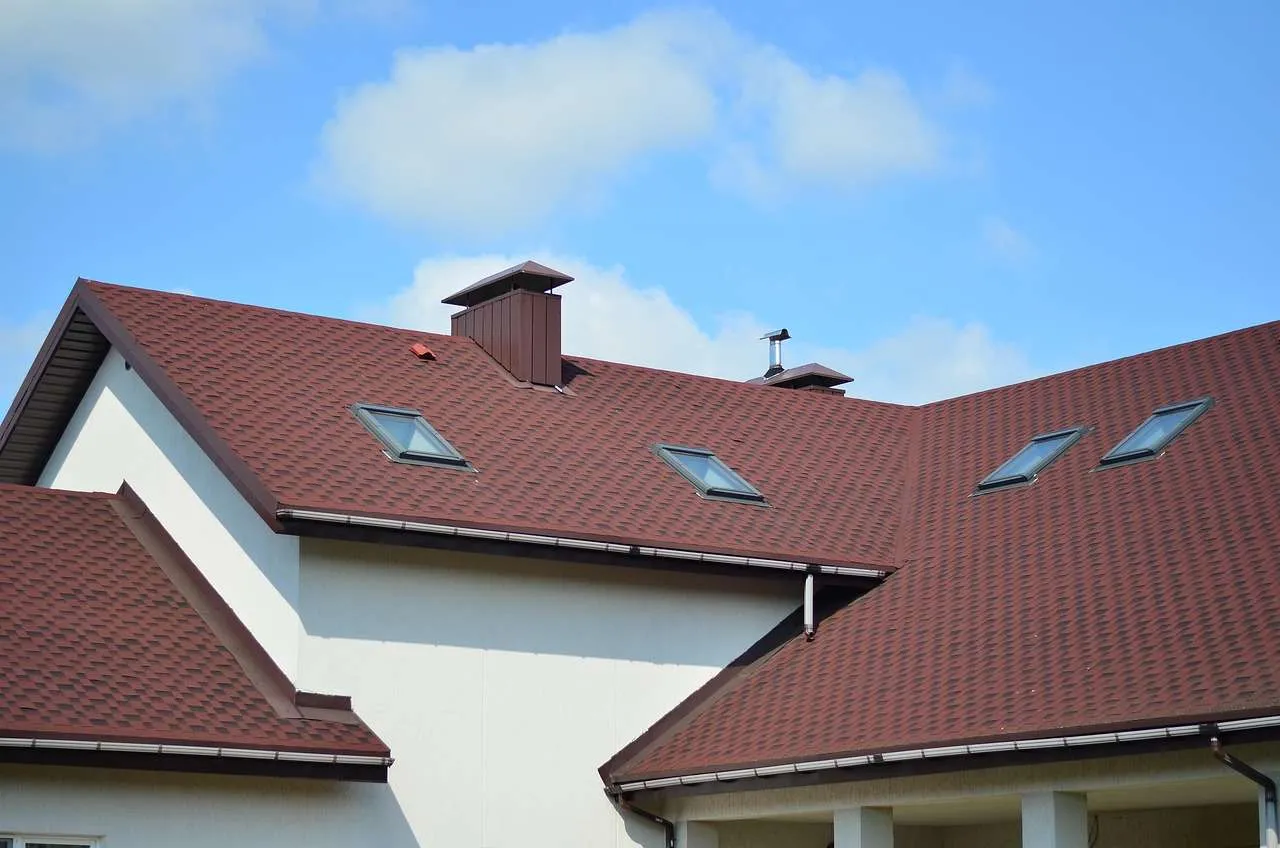
A roof is a system composed of shingles or panels, underlayment, flashing, and ventilation. Over time, weather, temperature changes, and wear can lead to the need for repairs. Prompt roof repairs protect structural components and help avoid more costly damage. If you notice evidence of leaks, wind damage, or excessive wear, it's time to evaluate the roof's condition.
Key Signs You Need Roof Repairs
- Missing or curled shingles
- Water stains on ceilings or walls
- Granules in gutters or downspouts
- Visible leaks after rain
- Sagging sections or damaged flashing
Maintenance That Extends Roof Life
Regular inspections, cleaning gutters, trimming branches, and ensuring proper attic ventilation can extend a roof's life. Scheduling annual or semi-annual checks helps catch issues early before they escalate to costly repairs.
Choosing Materials: Roofing Options
Material choice affects durability, aesthetics, and cost. The following overview summarizes common options:
| Material | Average Lifespan | Pros | Cons | Typical Installed Cost |
|---|---|---|---|---|
| Asphalt Shingles | 15–30 years | Affordable, easy to install | Shorter lifespan, wind-prone | 5–10 USD per sq ft |
| Metal | 40–70 years | Durable, fire-resistant, lightweight | Higher upfront cost, dent risk | 8–12 USD per sq ft |
| Tile (Clay/Concrete) | 50–100 years | Energy-efficient, durable | Heavy, structural support needed | 10–20 USD per sq ft |
| Slate | 75–200 years | Elegant, long-lasting | Very expensive, skilled installer required | 20–40 USD per sq ft |
Cost, Warranties, and Hiring a Pro
Roofing and roof repairs costs depend on material, roof size, pitch, and labor. Typical ranges are higher for complex structures or steep slopes. Reputable contractors offer warranties on workmanship and some materials provide manufacturer warranties. Always verify licenses, insurance, and references; require written estimates and a clear scope of work. If a contractor hesitates to discuss an estimate, or cannot provide documentation of insurance, treat it as a red flag.
Hiring Tips
- Get at least three written quotes
- Ask for project timelines and progress reporting
- Review past project photos and customer reviews
DIY vs Professional Roof Repairs
Minor maintenance tasks such as cleaning gutters or removing debris are often safe for a capable homeowner. However, roof repairs involving leaks, flashing, structural damage, or work on steep pitches require professional roofers. A qualified roofer has liability insurance, uses safety equipment, and can ensure flashing is properly integrated with underlayment to prevent future leaks.
Conclusion, this guide equips homeowners with practical steps for evaluating roofing needs, choosing materials, budgeting, and hiring qualified roofers. By prioritizing safety, documenting work, and relying on proven methods, you can maintain a reliable roof for decades and minimize costly roof repairs in the future.